Sign up
 Login
Login
Is a Nursing Career Right For You?
Take The Free QuizProtecting Nurses: Tackling Workplace Violence Effectively
Protecting Nurses: Tackling Workplace Violence Effectively
Workplace violence in healthcare is a growing concern, impacting nurses’ mental, emotional, and physical well-being. From verbal abuse to physical assaults, nurses face threats that can affect their performance and patient care. Ensuring nurse safety workplace violence is not just a regulatory responsibility but a moral imperative.
For aspiring nurses looking to start their journey, enrolling in nursing schools near me is a crucial step toward understanding both clinical skills and safety protocols. Awareness and training can empower nurses to respond effectively to challenging situations.

Key Takeaways
- Nurses face various forms of workplace violence, including verbal threats, bullying, and physical assaults.
- Hospitals must implement safety protocols and reporting systems to protect staff.
- Awareness and self-defense training are vital for nurse safety.
- Mental health support and debriefing after incidents improve resilience.
- Policies and legal frameworks strengthen nurses’ protection in the workplace.
Nurse Safety Workplace Violence
Understanding the Risks
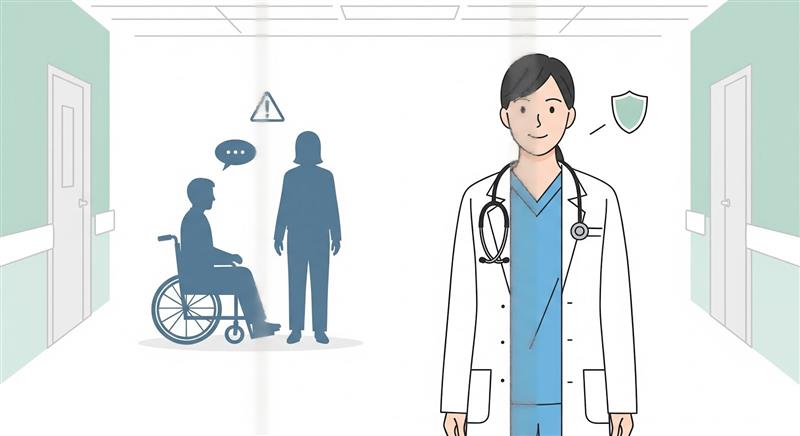
Workplace violence in nursing can occur from patients, visitors, or even colleagues. Nurses often work long hours in high-stress environments, increasing the risk of aggressive behavior. Physical assaults, verbal abuse, and sexual harassment are unfortunately common in healthcare settings. Recognizing the signs of potential violence, such as raised voices, erratic behavior, or patient agitation, can help nurses anticipate and mitigate risks.
Preventive Measures and Training
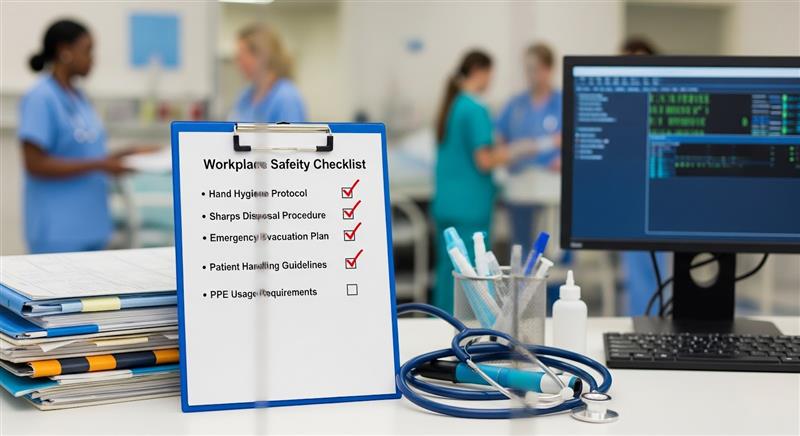
Preventive strategies are essential. Hospitals should conduct regular workplace safety training, teach de-escalation techniques, and establish clear reporting mechanisms. Role-playing scenarios during training can help nurses gain confidence in handling aggressive situations. Facilities offering practical nursing night classes often include safety protocols as part of their curriculum, preparing nurses for real-life challenges.
Mental Health and Support Systems
Nurses exposed to violence may experience anxiety, depression, or burnout. Providing counseling, peer support, and debriefing sessions after incidents is critical. Encouraging a culture of openness helps nurses report incidents without fear of stigma or retaliation.
Policy and Legal Frameworks
Healthcare institutions must adopt zero-tolerance policies against workplace violence and clearly communicate disciplinary actions for offenders. Legal frameworks at state and federal levels provide avenues for nurses to seek protection and compensation if assaulted on duty. Integrating these policies ensures accountability and promotes a safer work environment.
Conclusion
Protecting nurses from workplace violence is a shared responsibility. Ensuring nurse safety workplace violence requires training, awareness, supportive environments, and clear policies. Nurses are the backbone of healthcare, and their safety directly impacts patient care quality. For those aiming to build a career in nursing, exploring LPN programs near me can provide foundational knowledge in both clinical practice and workplace safety measures.
Want to Make a Career in Nursing? Get More Information About Our Courses!
FAQs
Q1: What is considered workplace violence in nursing?
Workplace violence includes verbal abuse, threats, physical assaults, and harassment by patients, visitors, or staff. Recognizing early warning signs is critical for prevention.
Q2: How can nurses protect themselves from workplace violence?
Nurses can undergo safety and de-escalation training, maintain awareness of surroundings, use reporting systems, and seek support after incidents.
Q3: Are hospitals legally responsible for nurse safety?
Yes, hospitals have a legal obligation to provide a safe work environment, implement safety policies, and respond to reported incidents appropriately.
Most Popular Blogs Posts

LPN School for Working Adults: What…
October 15, 2026 Read More
How to Prepare for Nursing School…
October 14, 2026 Read More
How Practical Nursing Students Build Clinical…
October 14, 2026 Read More
What Is Capillary Refill? A Guide…
October 13, 2026 Read More